mapsmapsmapsmapsmapsmapsmapsmapsmapsmapsmapsmapsmapsmapsmapsmapsmapsmapsmapsmapsmapsmapsmapsmapsmapsmapsmapsmapsmapsmapsmapsmapsmapsmapsmapsmapsmapsmapsmapsmapsmapsmapsmapsmapsmapsmapsmapsmapsmapsmapsmapsmapsmapsmapsmapsmapsmapsmapsmapsmapsmapsmapsmapsmapsmapsmapsmapsmapsmapsmapsmapsmapsmapsmapsmapsmapsmapsmapsmapsmaps

Xanax onlineAdderall onlineLevitraviagra without prescriptionadderall onlineadderall without prescriptionPhentermine onlinetramadol onlinevalium online

Posts Tagged ‘dermal fillers’

Botox Treatments are up 43% compared to 2008 at a UK Clinic

Wednesday, February 3rd, 2010

Despite the financial pressures brought about by the recession, it seems that patients are still keen to keep up their beauty regime with regular doses of Botox as a top UK clinic reveals it was the most popular treatment of 2009.

Bookings for Botox-type treatments including Azzalure® and Botox® were up 43% compared to 2008 at the multi-award winning Riverbanks Clinic in Harpenden, with other common treatments such as Fillers, used to treat fine lines in the face increasing by 11% as well as the demand for Skin Care prescriptions rising by 26%.

Dr Jain, Medical Director at Riverbanks Clinic believes that their latest figures reflect a rising trend and a new breed of patient who puts skin health as their top priority, recognizing that a less invasive but more frequent maintenance program of treatments can provide much better, long term results.

“Many patients are now beginning to see the real benefits of combining good skin care with regular maintenance treatments for creating a long lasting, natural and radiant appearance. I’ve been telling patients for years that less is more when it comes to cosmetic treatments and the true mark of success is not when friends and family say ‘Wow you look great, whose your surgeon’, but ‘Wow you look so well, have you been on holiday? If administered correctly, Botox and fillers are an ideal way to make subtle changes to the face whilst retaining a natural look,” says Dr Jain.

Botox is the most popular name for botulinum toxin A, however there are a number of brands currently on offer at clinics including Dysport, Vistabel as well as the British derived Azzalure. All work in the same way, by blocking the signal from the nerve to the muscle and each surgeon tends to have their preferred brands of Botox.

However, Dr Jain is keen to remind people looking to invest in cosmetic treatments in 2010 that beauty isn’t just skin deep, but requires improvements in other areas too such as from maintaining a health diet and exercising regularly to really maximize results. According to the multi-award winning specialist, the two most important beauty tips for achieving soft, supple and revitalized skin are usually the ones that are forgotten by the majority of patients.

“Botox and Fillers can only go so far and patients must always remember to keep hydrated if they want to achieve the very best from their treatments and skin care routines. Many are surprised to learn that the skin requires more hydration in the winter because the combination of indoor heating and cold weather can dry out the skin. Also, everyone should be wearing sun cream everyday, both in winter and the summer, a minimum of SPF30 should be worn come rain or shine, even in the snow, to prevent harmful rays from damaging the skin’s surface. The less damaged the skin is, the less work we need to do,” says Dr Jain.

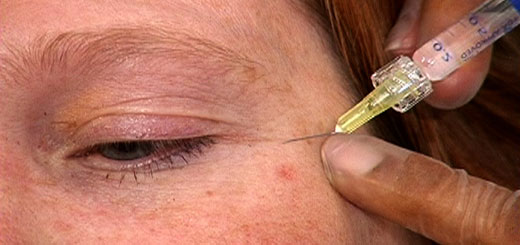
If you are in the medical profession and would like to learn about Botox Injection Techniques and Dermal Filler Injections, Aesthetic VideoSource has step-by-step training DVDs that teach the techniques.

Dermal Fillers Video

Botox Injection Video

Cosmetic Injections are a Good Investment

Wednesday, November 11th, 2009

Investing in self-improvement will still be a priority for many in 2009 according to recent predictions made by the leadership of the Physicians Coalition for Injectable Safety. The most prevalent prediction: a continued growth in consumers who elect to enhance personal appearance with cosmetic injections. “Despite an economic downturn in the worldwide economy, the growth of injectables is unlikely to decrease in 2009,” said Roger Dailey, MD, an oculoplastic surgeon from Portland, Oregon. In a tight economy, trendy products and leisure travel are often hard hit. “As we have seen in previous recessions, people are investing in ‘self’ more so than disposable goods. They are willing to cut back on luxury vacations, but not on Botox® or fillers,” said Dr. Dailey. Cosmetic injections collectively numbered nearly 4.5 million procedures in 2007* and are generally less expensive than more invasive surgical procedures.

Among other predictions:
•    Safety will continue to take the spotlight with a greater focus on injectors, qualifications and proper use of injections
•    States will adopt stricter regulations of providers for cosmetic injections, highlighting the importance of qualified injectors
•    Awareness for the importance of FDA approved brands will grow as the result of further investigations into importation and use of non-approved injectables
Coalition members agree that the problem of untrained and unqualified injectors remains an issue, however, there is hope that their campaign will continue to raise consumer awareness. “With the economy weak, some patients and doctors alike will be looking to cut corners,” said Dr. Dailey. “This will lead a segment of these populations to wander into some fringe activity like counterfeit injectables, or lower-priced, unqualified providers.” “Safety issues will be in the news and state medical boards will start to impose regulations concerning supervision of non-physician injectors,” says Ira D. Papel, MD, Baltimore, Maryland. “These types of actions and an emphasis on appropriate physician credentials are important messages for consumer safety.”

New Cosmetic Injectables Introduced
“New cosmetic injectables will present greater options, but require a more concerted effort to educate consumers on safety and choice in 2009,” says Jeffery Kenkel, MD, a plastic surgeon in Dallas, Texas. Regarding the introduction of new injectables in 2008 and those anticipated in 2009, the Coalition predicts:
•    Continued demand for safe and effective cosmetic treatment options will increase the number of consumer options including cosmetic injections
•    Emphasis on consumer education by injectable companies, qualified physicians and in media will specifically highlight consumer safety and choice, and identify the risks of non-FDA approved or counterfeit products
•    Focused research and physician training resulting in greater predictability of results and fewer adverse outcomes, with existing and new cosmetic injectable drugs and devices

The Coalition, charged with educating consumers on safe choices in cosmetic injections and eradicating the use of counterfeit and illegally imported cosmetic injectables, suggests all consumers follow these steps to ensure safe and effective treatment:
•    Doctor: Ask your doctor or injector for qualifications. Choose a doctor who specializes in treating all cosmetic concerns of the face, such as a board certified plastic surgeon, facial plastic surgeon, oculoplastic surgeon or dermatologist. Examinations and procedures should take place in a licensed and properly equipped medical facility. Establish a positive and on-going relationship with your doctor and follow-up as directed. A nurse or physician’s assistant may perform your injection if you elect, but a licensed physician must prescribe the treatment.
•    Brand: Ask specifically for the brand name of the injectable recommended for you, the approval status of regulatory agencies in the country where you will be treated (the FDA in the United States) and about any potential outcomes and the likelihood of adverse events. If your doctor does not offer, ask specifically to see the packaging and identifying marks that can verify authenticity, including the serial and lot number (which as a matter of proper procedure must be recorded in your medical chart). For reference, images of all US FDA approved brand logos and packaging are available at: http://www.injectablesafety.org/html/ataglance.php.
•    Safety: If you suspect your injector is not properly trained, is not following proper procedure or is injecting you with a non-branded, non-approved or unsafe substance, do not accept treatment. Follow-up by anonymously reporting suspected illegal activity to your local FDA field office that can be found at http://www.fda.gov/consumer/updates/oci072307.html.
To learn more about the benefits of cosmetic injections, the uses for approved cosmetic injectables, to plan for your treatment, see video of live, appropriately administered injectables and more, visit http://www.injectablesafety.org and http://www.realself.com/injectable-safety-campaign

AAFPRS Speaks To The Safety Of Cosmetic Facial Fillers

Sunday, October 4th, 2009

(PRLEAP.COM) NEW YORK, NY – In response to the U.S. Food and Drug Administration’s (FDA) recent report of side effects linked to injectable wrinkle fillers, the American Academy of Facial Plastic and Reconstructive Surgery (AAFPRS) states that wrinkle fillers appear safe when injected properly, in appropriate areas and after a pre-treatment medical history and physical exam performed by a qualified physician.

According to the FDA, some injections that resulted in side effects may have been performed by untrained personnel or in settings other than health clinics or doctors’ offices. The reports, dating back to 2003, document problems experienced by patients including swelling, allergic reactions and infections. The report says that there is not a clear causal link between the products and the side effects, and does not specify which products were involved. The FDA is planning to consult an advisory panel about amending labeling requirements as well as changing the protocol in the way the products are safety-tested.

“Cosmetic fillers have a proven safety record when injected by a properly qualified and trained physician in an appropriate medical setting,” said Dr. Donn R. Chatham, president of the AAFPRS. “While injecting dermal fillers is not surgery, it is still a medical procedure that requires the experience of a physician trained in cosmetic procedures of the face. Today’s highly competitive and marketing-driven world has attracted some who have dubious claims of expertise in injecting these drugs and fillers, and patients may be at risk. Patient safety must be paramount.”

The AAFPRS reminds patients and professionals that when a patient requests a facial plastic procedure, and entrusts their face to that physician, that it is in their best interests to seek surgeons who are qualified, trained and experienced in performing those procedures. Board certification signifies that a surgeon has achieved a level of education, training and certification of a high level. And that board certification should be in an appropriate specialty. For more information about injectable cosmetic treatments, appropriate injectors and where to safely access related cosmetic medical procedures, please visit www.injectablesafety.org.

The AAFPRS cautions that all procedures have the potential for adverse events and complications. Physicians should have a proper medical history of a prospective patient prior to treatment, and patients should be fully informed and educated about every benefit and risk.

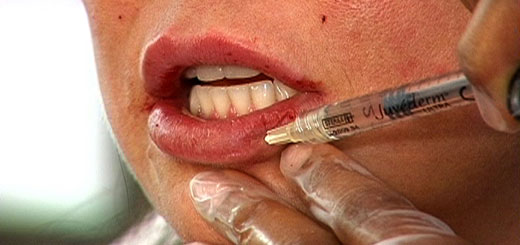
To learn more about Dermal Fillers and Botox Injections, please visit Aesthetic VideoSource. They have a wide variety of Educational videos for estheticians, doctors and massage therapists. Learn step-by-step how to inject Restylane, Juvederm injections and Radiesse injections.

What Downturn? Americans spent 12 billion to look good.

Saturday, August 1st, 2009

Americans spent nearly $12 billion on cosmetic procedures last year — much of it on breast implants, surgical face-lifts and Botox injections — feeding a medical practice that has gained popularity with everyone from young professionals to aging baby-boomers.
Saving face doesn’t necessarily mean patients have to go under the knife, a panel of doctors said Thursday at the annual meeting of the American Society for Aesthetic Plastic Surgery at the Mandalay Bay Convention Center. From hyaluronic acid injections to fractional resurfacing, nonsurgical options are an essential part of “facial rejuvenation,” said Dr. Trevor Born, a plastic surgeon from Toronto and New York City. Results from volumizing agents, or fillers, can be fabulous, he said.
“Certainly deciding what filler to use can be confusing,” Born said. It started with Botox and now includes Restylane, Puragen, Sculptra and Evolence.
Dr. Paul Lorenc of New York said cosmetic surgery has become more popular today because it’s much easier to perform, there’s less downtime for recovery and it’s exposed in the media.

“Ultimately, we’re doing a better job for our patients with less recovery time,” he said. “What we were doing 10 years ago was archaic. We have progressed tremendously in the name of patient benefits and patient safety.”
Other factors that might influence someone’s decision to pursue nonsurgical procedures include decreased risk of serious complications and the patient’s medical history.

The cost of nonsurgical cosmetic treatment is quite a bit less than surgical alternatives, said Dr. Barry DiBernardo of Montclair, N.J. Expenditures for nonsurgical procedures totaled $4.56 million in 2008, compared with $7.22 million for surgical procedures, the society reported.

The No. 1 surgical procedure nationwide was breast augmentation (355,671). The average cost is $3,885 for silicone gel implants and $3,603 for saline implants.

“It’s for form,” DiBernardo said. “If someone is flat and they want to go buy a bathing suit or an evening gown, they’re not made for them. It’s about three-dimensional proportion.”

The top nonsurgical procedure was Botox injections (2.46 million) at an average cost of $443 each.
Face-lifts are still the main component of cosmetic treatments, with 132,000 procedures performed in 2008 at an average cost of $6,728.

Lorenc said he routinely uses nonsurgical procedures to complement surgical practices and maintain a great post-surgery result. Patients are often well-educated, well-informed people who want to enhance their image, not be radically different, he said.

“It’s about the norm,” Lorenc said. “People are getting a little older. In today’s economy, it’s competitive and people have to stay in the job market and this is a certain way that can help them keep their jobs. Wall Street guys are competing with 32-year-olds at half the price. They’ve got to look good.”

Since 1997, the number of cosmetic procedures has increased 457 percent to 11.7 million surgical and nonsurgical procedures in the United States in 2007. Women had 10.6 million, or 91 percent, of the procedures.

Cosmetic Injectables: Are they Safe?

Tuesday, July 28th, 2009

New data compiled for the years 2003 through present, demonstrates the risk of adverse events such as swelling or allergy from cosmetic injection with U.S. FDA-approved dermal fillers number .010% or 1 in 10,000; the risk of injury is .009% or 1 in 11,000.1 Notably, the data is derived from the November 18, 2008 U.S. FDA Executive Summary reviewing reported dermal filler complications from 2003 to through September 20, 2008, and is relative to audited annual procedural statistics by the American Society for Aesthetic Plastic Surgery, a compilation of procedural numbers performed by board-certified plastic surgeons, facial plastic surgeons, oculoplastic surgeons and dermatologists.

“This review of U.S. FDA approved dermal fillers and reported complications dating back to 2003 Cosmetic Injectablesdemonstrates that complications experienced from dermal filler injections are congruent to those potential adverse outcomes reported on FDA-required product labeling and conveyed by qualified physicians during the informed consent process,” said coalition spokesperson, plastic surgeon Jeffrey Kenkel, MD of Dallas, Texas. “In addition, the data, in perspective, is assurance to consumers that the incidence of complications is relatively low, and in fact complications are further reduced when injections are performed by properly board-certified and trained physicians.”

•    The Executive Summary of the U.S. FDA lists 930 unique, adverse events reports filed between January 1, 2003 and September 20, 2008.
•    The most common adverse events involved swelling (cited in 40.6% of reports), inflammation (cited in 35.5% of reports), and erythema (cited in 33.4% of reports).
•    94 adverse events of the estimated 9 million procedures performed required surgical intervention, 638 adverse events were treated with medication, the remaining of the 930 reported adverse events did not specify how the event was treated.
•    The country of origin for 135 of the adverse events reported was outside the U.S.

Additionally, within the report of the U.S. FDA, is specifically stated that in some cases of reported complications, “the injections of dermal implants are performed by untrained personnel or in settings other than health clinics or doctors offices.”

“The data is evidence of what this Coalition and properly trained physicians believe– U.S. FDA approved How to inject Dermal Fillerscosmetic injectables to enhance appearance are predictable, safe and satisfying procedures when properly administered by appropriately qualified physicians,” stated Coalition leader, facial plastic surgeon Ira D. Papel, MD, of Baltimore, Maryland. “Serious complications and adverse outcomes occur with unregulated, unreported, unbranded and unapproved injectables, as well as when injectables are administered by untrained individuals who lack complete training in facial aesthetics.”

“Plastic surgeons, facial and oculoplastic surgeons and dermatologists define those medical specialists under which dermal injections are appropriately within the scope of practice,” said Dr. Kenkel. “These board-certified specialty trained physicians possess more than experience with dermal fillers. They legitimately and skillfully can educate patients not only on the benefits of cosmetic injections, but also on the alternatives, risks and have the ability to demonstrate outcomes achieved through photographs, consistent results, and happy patients who return to repeat treatment. Additionally, it is these physicians who take the responsibility to report complications whether those complications occur in the physician’s own hands, or at the hand of another.”

An October 2008 survey of Coalition member physicians reported a 75% increase in the number of complications seen by plastic surgeons, facial plastic surgeons and oculoplastic surgeons resulting from injections administered in a non-medical setting or by an unqualified, untrained injector or non-specialist. Consumers are cautioned that no reported outcomes or safety data exists for cosmetic injections marketed and administered by many non-specialist physicians and even non-physicians. “These providers are unorganized, unrecognized and informal in the training and practice of cosmetic medicine, which should raise consumer’s awareness and caution,” added Dr. Papel. The Coalition, charged with educating consumers on safe choices in cosmetic injections and eradicating the use of counterfeit and illegally imported cosmetic injectables, suggests all consumers follow very cautious steps for both safe, and positive outcomes when considering a cosmetic injection of any kind, be it a dermal filler, or botulinum (Botox) injection:

•   Doctor: Ask specifically about your doctor or injectors qualifications. Choose a doctor who specializes in treating all cosmetic concerns of the face, such as a board certified plastic surgeon, facial plastic surgeon, oculoplastic surgeon or dermatologist and who examines you, prescribes and performs cosmetic injections in a licensed and properly equipped medical facility. Establish a positive and on-going relationship with your doctor and follow-up as directed. A nurse or physician’s assistant may perform your injection if you elect, but a licensed physician must prescribe the treatment.

•    Brand: Ask specifically the brand name of the injectable recommended for you, the approval status of regulatory agencies in the country where you will be treated (the FDA in the United States) and about any potential outcomes and the likelihood of adverse events. If your doctor does not offer, ask specifically to see the packaging and identifying marks that can verify authenticity, including the serial and lot number (which as a matter of proper procedure must be recorded in your medical chart).

•    Safety: If you suspect your injector is not properly trained, is not following proper procedure or is injecting you with a non-branded, non-approved or unsafe substance, do not accept treatment.

To learn more about the benefits of cosmetic injections, the uses for approved cosmetic injectables, to plan for your treatment, see video of live, appropriately administered injectables and more, visit http://www.injectablesafety.org and http://www.realself.com/injectable-safety-campaign

Information Provided by the American Society for Aesthetic Plastic Surgery.

Top Radiesse Injector

Wednesday, June 3rd, 2009

PRLog (Press Release) – Beverly Hills is the plastic surgery and dermatology mecca of Southern California, maybe even the United States. Patients come from all over seeking invasive cosmetic surgery procedures such as liposuction, breast augmentation, rhinoplasty. And when they’re looking for minimally invasive treatments, many say Dr. Simon Ourian’s Epione Beverly Hills is the only place to go.

For the uninitiated, minimally invasive treatments are those done without the use of anesthesia or an operating room to address concerns such as facial wrinkles and lines or the loss of fullness due to the Dermal Filler Courseseffects of aging.  These include BOTOX® for wrinkle correction and various dermal fillers like Radiesse®, Restylane®, Juvéderm® and collagen to fill in lines and. Laser hair removal and laser skin resurfacing are also considered minimally invasive procedures.

Restylane, a hyaluronic acid based dermal filler is, according to their website, the world’s most popular filler. Collagen is the original dermal filler. Radiesse® (formerly known as Radiance) is an FDA-approved, dermal filler injected for the correction of facial lines and wrinkles such as nasolabial folds. Manufactured from calcium-based microspheres suspended in a water-based gel, Radiesse filler is injected into the skin through a simple, minimally invasive procedure offering immediate, visible improvement of folds and wrinkles, and providing long-lasting and beautiful results. Radiesse is a convenient treatment that stimulates the body to produce new collagen.

Dr. Ourian has worked with nearly every available dermal filler over the course of his 10 plus years as a Beverly Hills cosmetic dermatologist and he prefers to use Radiesse. “Every face is unique and my goal is Dermal Filler Injectionsalways to achieve the maximum aesthetic result,” says Dr. Ourian, “but I find myself using Radiesse injections more often than not. The results are predictable and certainly the longest lasting of all the fillers with which I work.”

“Am I the top Radiesse injector”, Dr. Ourian asks with a smile, “it’s not for me to say. But I do know from the manufacturers of Radiesse that I’m one of the busiest injectors in the country. I like to think that I have more experience with Radiesse that most doctors, even plastic surgeons, and that my results speak for themselves.”

Dr. Ourian’s patients have spoken loud and clear. Here are just a few of the glowing remarks posted on www.epione.com:

“Your staff has treated me with Botox injections and Radiesse injections and your services are excellent. You are knowledgeable kind and very good at what you do.” – C.W.

“I would suggest to everyone that you not waste your money elsewhere. Go to Epione and get the topnotch professional results you’re looking for. This is your body and your face and you are investing in it for the future. At Epione you can relax and know that you will be getting the highest quality of service and aesthetics available — anywhere in the world today.” -Y.B.

“I was completely satisfied with Dr. Ourian when I received Radiesse on my cheeks and lips.” – J.W.

Dr. Ourian’s Epione Medical Corporation, located in Beverly Hills Golden Triangle, is among the most comprehensive and state-of-the-art laser and aesthetic surgery centers. Dr. Ourian has been a pioneer for laser technology and non-invasive aesthetic procedures including Restylane, BOTOX®, Juvéderm, Radiesse and Sculptra. These treatments are used for correction or reversal of a variety of conditions such as acne, acne scars, acne scar removal, skin discoloration, lip enhancement, wrinkles, stretch marks, varicose veins, unwanted hair, and tattoos, cellulite, and tens of others. Skin care products are also available. For further information please contact (888) 951-3377 or visit: www.epione.com.

Radiesse Benefits

Friday, May 29th, 2009

24-7PressRelease/ – NEWPORT BEACH, CA – While gravity might be only a theory, what it does to our bodies shows its reality. Sagging cheeks and eyelids are just part of what is on display for the whole world to see. And there are more and more people who are putting this theory to the test and finding ways to show, on their faces at least, that they will not age quietly.

Radiesse, a popular injectable dermal filler, primarily used for wrinkles and lines now has a further use. As the popularity of people seeking to reverse the effects of sagging faces increases, so does the popularity of using Radiesse to augment their cheeks.

What is Radiesse?

Radiesse, an FDA-approved injectable filler, uses calcium hydroxylapatite, a calcium-based microsphere, in a water-based gel. As the gel and the microspheres are naturally absorbed into your body, a matrix is created in the dermis in which new collagen grows giving a more youthful appearance. While past procedures included painful implants and extensive surgery, Radiesse is injected in layers into the area of the cheek and below the eye. Results are immediate and last one to two years.

Some of the reasons Radiesse injections is gaining in popularity as an injectable to increase volume in the cheeks can certainly be tied to the fact that people want to look younger. As we age, we tend to lose volume in our faces, and our cheeks sag. However, a more recent phenomenon has to do with how celebrities are viewed by the general public. Due to the 24/7 media cycle and the ubiquitous paparazzi, actresses like Angelina Jolie, Jessica Alba, Keira Knightley, are seen not only in movies, magazines, television, but the internet. Here, you can Google their names and see that they generate literally millions of hits – as well as see thousands of pictures. And it’s here that the public can judge (subjectively) how these stars appear. People wonder if they’ve had Botox, breast augmentation, or other procedures done.

These actresses have the type of cheekbones that many people want to emulate. As a result, it isn’t just older people looking for a younger face but a younger crowd lining up to get Hollywood cheekbones. However, Radiesse filler is not used only by female customers, but by men as well. Actors like Johnny Depp might be seen as the male equivalent of cheekbone envy.

Whoever the movie star or rock star might be, people are curious about how they look so good for so long and want the same thing. Radiesse is just one of the answers to the question of how to avoid sagging cheeks.

Benefits of Radiesse

Again, using Radiesse avoids the pain and long recovery of implants. In an outpatient setting, a small amount of Radiesse is injected into the cheeks in as little as fifteen minutes. You will have a minimum of discomfort. While side effects might include swelling or redness, these pass quickly. There is also the attraction of the low cost of Radiesse. You can discuss this with your cosmetic surgeon.

It is for these reasons that many cosmetic surgeons have used Radiesse dermal filler for more than just wrinkles or laugh lines.

Restylane and Juvederm Injections

Tuesday, May 26th, 2009

/24-7PressRelease/ – RALEIGH, NC, – Restylane, Perlane, Juvederm: Raleigh Plastic Surgeon Dr. Michael Law, a plastic surgeon with extensive experience and expertise with injections evaluates Fillers for wrinkle reduction. Over the last several years, a number of new soft-tissue dermal fillers including Restylane injections, Perlane and Juvederm injections have been introduced to the U.S. For physicians, deciding what to inject is an extremely important decision, as some fillers are safe for essentially all patients, while others can have troubling and even disfiguring side effects. The first filler that gained widespread acceptance is bovine collagen. However, that product tended not to last very long and also required a skin test prior to treatment. Human-sourced collagen products were then developed, but they had the stigma of being derived from the tissue of human cadavers. Also, the results did not last much longer than those from bovine collagen.

Injectable hyaluronic acid (Restylane, Perlane, Juvederm)is produced in culture instead of being taken from an animal or human source, which eliminates many of the concerns associated with injectable collagen products. Hyaluronic acid has many of the qualities of the ideal filler: it is safe and affordable, it produces natural-looking results, and it is extremely effective for most patients. In our plastic surgery practice and medical spa, we have seen a much higher rate of patient satisfaction when using hyaluronic acid products than with collagen products.

The enhancements produced by hyaluronic acid products tend to last six months on average, but in some patients, results can be seen for as long as 10 to 12 months. Hyaluronic acid injectables have advantages above and beyond the long duration of results seen in most patients. In three years of experience using this material, we have never encountered an adverse reaction, such as infection, inflammation, migration, allergy, or scarring. There are many injectables currently available that carry a significant risk of one or more of the above complications, which points out the importance of choosing an injectable agent that is not only effective but also safe.

Dr. Law is certified by the American Board of Plastic Surgery and is a member of the American Society of Plastic Surgeons. He has authored and co-authored publications appearing in peer-reviewed journals and surgical textbooks, and he has made presentations at regional and national meetings throughout the United States. Since 2004 his North Carolina practice and medical spa have twice been featured on the cover of Plastic Surgery News, the official news journal of the American Society of Plastic Surgeons. Dr. Law performs surgery in a hospital O.R. and provides patients with a complimentary overnight hospital stay to make sure they’re comfortable and receive the best possible postoperative care. Dr. Law’s philosophy is that great plastic surgery doesn’t look like surgery, it just looks great.

Botox and Dermal Fillers: The Cheap Alternative

Sunday, May 17th, 2009

Recession-driven job losses have put more baby boomers and workers in their 50s back into the job market, and they are competing with people in their 20s and 30s. Many are looking at improving their appearance as an investment they need to make. Fortunately, a number of safe, effective and non-invasive anti-aging treatments, offered by trained and board-certified facial plastic surgeons, are now available at competitive costs.

“Patients in today’s economy are looking for value: good results but priced fairly,” says Dr. Donn R. Chatham, president of the American Academy of Facial Plastic and Reconstructive Surgery (AAFPRS). “It is Botox Injectionsalso important to trust your face to a facial specialist, one who focuses on the health and appearance of the face.”

Six Popular Treatments for Cost-conscious Consumers

1. Botox injections – In use for medical purposes for more than five decades, the FDA approved Botox in 2002 for the temporary improvement of glabellar lines, the vertical lines between eyebrows. Since its approval, millions have been treated with Botox, and to date, it is still the most requested non-invasive procedure according to the annual survey of the AAFPRS.

2. Cosmetic fillers – Wrinkles not only make you look older, but they can cause others to misread your emotions, especially if the wrinkles are in areas of the face normally associated with frowning or other negative expressions. Dermal fillers like collagen, hyaluronic acid, Restylane, Juvederm, Radiesse, Sculptra,

Restylane Injections

Dermal Fillers

Evolence and others add volume to the skin to soften or eliminate the appearance of wrinkles and provide a more youthful, rejuvenated appearance.

3. Laser treatments – Non-invasive laser procedures can help reduce wrinkles around the eyes and lips, even the surface of the face, and remove blemishes like birthmarks, skin growths, acne, spider veins, warts and even some tattoos.

4. Skin resurfacing/rejuvenation – Chemical peels and dermabrasion both remove aged, damaged skin cells to create a smoother, younger-looking surface.

5. Minimally invasive surgery – Facial plastic surgeons have developed methods for minimizing the invasiveness of some of the most popular facial surgeries, including face lifts, blepharoplasty (eyelid surgery) and rhinoplasty, reducing pain and recovery times for many patients.

6. Lip augmentation – Several procedures are available to give lips a fuller, plumper, and more youthful look while reducing the appearance of fine lines around the lips.

Americans undergo more than 2 million facial plastic surgery procedures each year. If you, or a loved one, is considering enhancing your competitive edge in the workplace by improving your appearance, it’s important to find a compassionate, knowledgeable facial plastic surgeon you trust. The American Academy of Facial Plastic and Reconstructive Surgery offers helpful resources, including information about different types of surgery, on its Web site, www.facemd.org. With more than 2,700 members whose practices concentrate on the face, head and neck, the AAFPRS can help you find the right, qualified facial plastic surgeon for your needs.

Courtesy of ARAcontent

Trends in Aesthetic Medicine

Saturday, May 9th, 2009

The medical aesthetic and medical spa industries are growing exponentially, with no clear end in sight. The increasing acceptance, availability and affordability of many minimally invasive cosmetic treatments has fostered what Sander Gilman, PhD, an American culture and literary historian, has named the “Era of Glamour.” This era ushers in the premise that medical aesthetic treatments are part of a normal routine that works to maintain a natural and healthy appearance.1 Following are some of the current trends in the field of aesthetic medicine, as well as a look to what its future may hold.

Injectables on the horizon
Facial injectables continue to dominate the medical aesthetic treatment market. Botulinum toxin and hyaluronic acid injections were the top two nonsurgical cosmetic procedures according to the American Society for Aesthetic Plastic Surgery (ASAPS) National Data Bank Statistics. Many of the injectable manufacturers, such as Allergan and Medicis Pharmaceutical Corporation, have initiated direct-to-consumerLearn how to Inject Botox marketing campaigns to further substantiate their market position. These include branded messages and products, such as print advertisements, television commercials and patient brochures. A recent example of these campaigns would be Allergan’s “Express Yourself” promotion featuring its product Botox Cosmetic.
There are currently two botulinum toxin Aproducts undergoing U.S. Food and Drug Administration (FDA) trials. Medicis has recently submitted a biologics license application for Reloxin, which has been rejected by the FDA due to administrative deficiencies. The company refiled biological license application in March 2008. The typical response time frame is 10 months for approval. Mentor Corporation recently announced the approval from the FDA for phase III clinical trials for its botulinum toxin product PureTox. A unique feature of PureTox is its stability and ability to be stored at room temperature. PureTox is expected to receive FDA approval in late 2009 or early 2010.
There are many hyaluronic acid fillers currently undergoing FDA trials. These include a small gel particle Restylane Dermal Filler Injection Techniquefiller, a filler specifically designed for lip enhancement and a large particle-size gel used for facial fat loss replacement. There are a number of hyaluronians formulated with lidocaine currently under trial and other long lasting hyaluronians are under consideration, as well. Restylane injections , Juvederm injections and Radiesse injections are three of the most popular and effective fillers.
The baby boomer demographic will continue to be the major consumer of medical aesthetic services, with Generation X not too far behind. There will also be a general trend toward health and wellness within this demographic. Anti-aging and wellness medicine will become more prevalent as people strive to look as young as they feel. The ideal, successful anti-aging center will recognize the synergy between aesthetic and anti-aging medicine, and provide strategies to optimize health, longevity and self-image. Centers that incorporate a menu of services which address the internal as well as external signs of aging will thrive.
Aesthetic medicine will continue to expand as the baby boomers and Gen-Xers age. This expansion will foster the advancements in effective technology, devices, products and treatments. Certainly the best is yet to come in terms what will be available to patients in anti-aging and medical aesthetic enhancements throughout the coming years.

This article was originally published in the September 2008 issue of Skin Inc. Magazine and is being reprinted with permission. All right reserved.

If you would like to learn more about Botox Injections and Dermal Fillers, visit Aesthetic VideoSource. In our 2 new videos, Dr. Dolores Kent shows how to properly do botox injection techniques, dermal filler techniques, indications, contraindications and much more information.  She shows you everything on, for example, Restylane injection procedures and how to inject Radiesse. Visit us today at www.videoshelf.com .