mapsmapsmapsmapsmapsmapsmapsmapsmapsmapsmapsmapsmapsmapsmapsmapsmapsmapsmapsmapsmapsmapsmapsmapsmapsmapsmapsmapsmapsmapsmapsmapsmapsmapsmapsmapsmapsmapsmapsmapsmapsmapsmapsmapsmapsmapsmapsmapsmapsmapsmapsmapsmapsmapsmapsmapsmapsmapsmapsmapsmapsmapsmapsmapsmapsmapsmapsmapsmapsmapsmapsmapsmapsmapsmapsmapsmapsmapsmapsmaps

Xanax onlineAdderall onlineLevitraviagra without prescriptionadderall onlineadderall without prescriptionPhentermine onlinetramadol onlinevalium online

Laser Hair Removal – Finding The Best Laser For Safe, Effective, Affordable Hair Removal

October 29th, 2009

(PRWEB) — Laser Hair Removal. Finding The Best Laser For Safe, Effective, Affordable Hair Removal. Medical Spa and Laser Hair Removal Expert in Raleigh, NC Provides Guidelines.

Laser Hair Removal: A Guide to finding effective, safe fast and affordable laser hair removal treatments. Raleigh Laser Hair Removal and medical spa expert Kile Law Provides guidelines for choosing the appropriate Laser Hair Removal system.

Laser hair removal has come a long way since the first laser for hair removal received FDA clearance in the mid 1990s. Older generation lasers were very slow, very painful and worked only on individuals with very dark hair and very light skin. Today, lasers can work on all skin colors and some lasers are even safe for treating tanned skinned.

Which laser to choose? -Spot size
The spot size of a laser determines how much skin area can be covered per laser pulse. Lasers with larger spot sizes (18 mm)can cover more area much more quickly. For example, a laser hair removal treatment of the back or full legs could take as long as 2 hours with older lasers. Today, these areas can be completely treated in less than 20 minutes. The spot size not only determines the speed and comfort of the treatment, but the efficacy as well. In the April 2004 issue of Derm Surgery, a peer reviewed medical study showed that lasers with an 18 mm spot size (exclusive to the Candela GentleLase www.candelallaser.com ) was more effective at removing hair than lasers with smaller spot sizes.
-Cooling systems
Each laser has a different way of cooling the skin. Some lasers use a topical cooling gel, others use a chilled tip. The most consistent, comfortable and safest way to cool the skin is with a Dynamic Cooling Device or DCD. Lasers equipped with a DCD cooling system are so effective in providing cooling to the skin that no topical numbing creams are necessary.
-Light Sources
Intense Pulsed Light (IPL) Systems are not lasers. They can remove hair, but recent peer reviewed medical studies show that most lasers are much more effective in treating unwanted hair than IPL systems

Choosing a Laser Hair Removal Center
Board Certified Physician
Many laser hair removal centers today operate without a physician. It is important to be certain that a board certified physician is on the premises or available in case of a concern. To determine whether or not a physician is board certified, go to www.abms.org. Board certified plastic surgeons can be found at www.plasticsurgery.org
Possible complications:
Complications with newer laser hair removal systems (built in 2002 or later) is not common, particularly if the laser is equipped with a Dynamic Cooling Device. It is important, however to determine how the laser clinic handles potential complications. Is there a physician available to examine the problem and prescribe medications if necessary?
Packages of treatments
Laser Hair Removal works on hair while it is in the growth phase only. At any given time, between 20% to 40% of the hair on any face or body area may be in a growth phase. Multiple treatments are required for complete clearance of the hair. However, each person may respond slightly differently. Laser hair removal centers should charge for just one treatment at a time. A reputable medical office or medical spa offering laser hair removal will offer individual treatments and not insist on payment of multiple treatments up front.
Pricing:
Because lasers for hair removal are much faster today than ever before, prices should be lower as well. An office offering laser hair removal can charge less for a laser hair removal treatment of the legs taking just 20 minutes vs. a 2 hour treatment with an older generation laser. Avoid centers offering specials” on treatment packages, particularly if there is pressure to buy because a “special” is set to expire.
Consultation:
A complimentary consultation should be available for you to visit the facility, meet the laser technician and experience a spot test with the laser.
When considering a hair removal laser treatment, consumers should ask the following questions:
1) Is this laser FDA approved for hair removal on my skin type and hair color?
2) What is the spot size of the laser? In order for a laser to perform quickly and most effectively, it should have an 18mm spot size
3) Is the laser equipped with a dynamic cooling device (DCD)? This is the safest and most consistent method of cooling the skin. It ensures patient safety and comfort.
4) Is there a board-certified physician on site? A facility without appropriate medical supervision may not be the safest environment for a laser procedure.
5) Are treatments sold in a package or one at a time? Businesses that want your money up front may not have the confidence that their laser will perform effectively. A client should be able to pay for treatments as needed without paying all at once.
6) Are complimentary consultations and spot tests available? You should be able to meet the technician and experience a pulse or two before committing to a treatment.

To learn different laser hair removal techniques, please visit Aesthetic VideoSource. Their new Laser Hair Removal DVD shows 2 different doctors procedures for effective laser hair removal.

Can Nurses Inject Botox?

October 26th, 2009

New York, NY – The Physicians Coalition for Injectable Safety (http://www.injectablesafety.org) today advises patients that all nurse and physician assistant injectors may not be qualified to perform cosmetic injections such a Botox, Restylane or other dermal fillers. Patients should be aware that the most important factor to any nurse or physician assistant injector is their relationship with an appropriately trained, supervising physician, and how closely the nurse and physician work together. The Coalition offers these guidelines to consumers who have questions about the safety or appropriateness of cosmetic nurse injectors:

•    Nurses and physician assistants performing injectable treatments should only treat under the following conditions:
•    The nurse or PA is under the supervision of a board certified plastic surgeon, facial plastic surgeon, ophthalmic plastic surgeon or dermatologist who has prescribed the injectable treatment appropriate for the patient
•    The nurse or PA can demonstrate appropriate medical education, licensure and training specific to the delivery of cosmetic injections
•    The nurse or PA only performs injections in a medical setting supervised by the prescribing physician
•    The nurse or PA follows all of the appropriate steps in performing cosmetic injections, and that all patients are given informed consent documents that clearly define the risks and benefits of the procedure.
•    The patient has the option to request the doctor perform cosmetic injections

Patients should not accept treatment from nurses or any other clinician in private homes, hair salons, hotels, bars or any other non-medical setting. “It is generally safe for nurses to perform injectable treatments under the appropriate circumstances: proper training specific to cosmetic injectables, proper supervision by a qualified physician, and within the supervising physician’s office,” says Jeffrey Kenkel, MD of Dallas, TX. “I have personally trained my nurses in performing injectables. They present an option to patients who understand that regardless of who delivers the injection, I prescribe treatment and inevitably patient outcome is my responsibility. However, if a patient of mine prefers that I treat them, that is entirely the patient’s right.”

“Physicians have differing in-office philosophies. I prefer to perform cosmetic injections personally, to evaluate a patient’s goals and physical condition before prescribing treatment and to also administer that treatment.” says Roger Dailey, MD, of Portland, OR. “Like many physicians who perform their own injections, I enjoy spending time with patients whether the injection is a first-time treatment, or a treatment to refresh appearance.” A survey conducted by the Coalition in July 2007 reports that while 94.6% of physicians personally perform cosmetic injections, only 24.4% of Coalition member practices include nurse or physicians’ assistant injectors. In addition, 45.3% of complications resulting from cosmetic injections are reported to result from unqualified providers, and that 35.2% result from injections administered in a non-medical setting, such as a spa, hair salon or private home.

Whether the patient opts for cosmetic injections performed by the physician or accepts injection by a registered nurse (R.N.) or licensed physician’s assistant (P.A. or P.A.-C), it is important to make sure the patient follows the safety guidelines of DOCTOR. BRAND. SAFETY:
•    Doctor: Is the injectable recommended by a qualified doctor who regularly treats similar conditions, in an appropriately licensed and equipped medical facility? Has the doctor examined the prospective patient before recommending treatment?
•    Brand: Is the injectable recommended approved by the U.S. FDA, in the U.S. (and by equivalent agencies in the country of origin) for cosmetic indications and is it appropriately labeled and packaged to reflect its authenticity and approval?
•    Safety: Is the setting a proper medically-equipped office, with safety and sterilization procedures? Has the physician evaluated conditions, recommended treatment, offered alternatives and clearly defined the potential outcomes including any complications?
.

Skincare Trends for Either Sex: Threading, a Skin Care Innovation

October 23rd, 2009

(PRWEB)  — In today’s culture, hairless bodies are considered chic and fashionable; unfortunately, some people have naturally thick and unruly eyebrows that grow together faster than weeds. Skincare-New’s latest article, “Threading: A Unisex Trend” explains how eyebrow threading can help both men and women to remove those annoying straggling hairs:

According to hairfacts.com, threading is used for “removing hair at the root … Rows of stray hairs are yanked out with twists of cotton thread.” It is quick, efficient, more precise than tweezing and less painful than waxing. It is also cost-effective, because repeated treatments will cause the hair to grow back more sparsely.
Threading is also becoming far more mainstream, and qualified threadists can be found in spas and salons fairly easily. Threading is not only useful for shaping the brow, but also beards, hairlines and mustaches for men. Because threading causes less irritation and redness than other hair removal methods, it is also a time-saver and can easily be done at lunch or before or after work.

To learn more about eyebrow threading and facial threading, please visit Aesthetic VideoSource. You can view free video excerpts and request a free catalog.

An In-Depth Look at BOTOX

October 20th, 2009

It’s no new kid on the block for dramatic skin renewal, and with the obsession today with appearing as youthful as possible, use of BOTOX for wrinkle and line removal has increased dramatically. Every case is different, so be se to be as detailed as possible when discussing this procedure with your clients.

We’ve all heard the stories. No matter what wrinkle creams they use, how much water they drink or how much sun block they apply each day, some clients simply have line and wrinkle conditions that they can’t correct. There are many factors that can attribute to facial wrinkles. Stress, dehydration and sun-exposure are just a few of the obvious answers. Like grey hair or varicose veins, some people are preconditioned to obtaining wrinkles and lines more easily than others.
Prominent facial lines can make even the most upbeat person appear stressed, tired or even angry all the time. Age, gravity and sun-exposure only exasperate the condition; so many clients feel they’re fighting a losing battle.
When talking to a client with facial wrinkles, find out from them what they’ve done so far to help eradicate the problem. Most likely they’ve tried several of the major wrinkle creams on the store shelf and have a regular cleansing, toning and hydrating routine most days and nights. They may feel frustrated that they have so little success after all the effort, but they don’t relish the idea of cosmetic surgery.
Now is the time to discuss BOTOX. Find out from your client what their expectations would be for a BOTOX procedure and be sure to explain to your client the process in depth. BOTOX is applied with injections directly into the facial musculature surrounding the lines. The procedure can be as short as 10 minutes long, with little or no down time for the client. The effects tend to be both dramatic and pleasing to most BOTOX recipients, which is why it is the number one non-surgical cosmetic procedure for both women and men.
Used to relieve or eradicate facial lines like crow’s feet, horizontal forehead lines and marionette smiles among other conditions, BOTOX can provide your clients the relief from the facial lines that are plaguing them. It’s important that you talk about preventative maintenance after the procedure, though. A proper cleansing, toning and hydrating routine along with regular facials can help elongate the life of BOTOX effects.
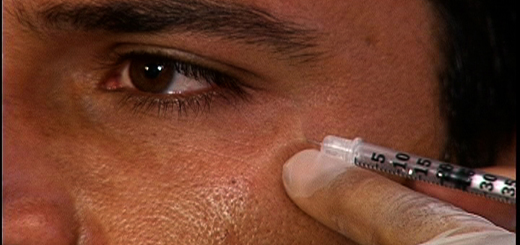
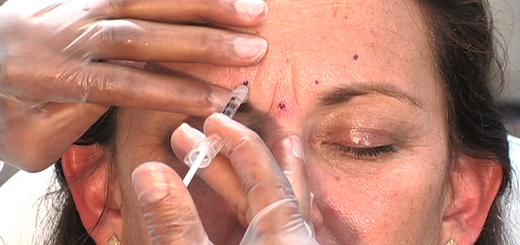
Be sure to give a detailed account of the BOTOX procedure to your client, as well as finding out their expectations. We hope you enjoyed learning about BOTOX. To learn more about Botox injections and Botox injection techniques, please visit Aesthetic VideoSource.

Spa Finder Enlists Over 3,600 Spas to Educate Global Spa-Goers About Melanoma Prevention and Detection

October 18th, 2009

New York, NY (PRWEB) — With sunburn season on the horizon, Spa Finder, (www.spafinder.com), the global spa resource, is kicking off a multi-faceted campaign to educate global spa-goers about melanoma detection and prevention. Spa Finder will leverage its relationships with 3,600+ day and stay spas worldwide to provide educational materials to spa clientele while encouraging spa aestheticians and therapists to be on the lookout for the disease’s early warning signs and remind clients to visit their physicians for regular mole checks. The Spa Finder melanoma campaign is launching in May in conjunction with Skin Cancer/Melanoma Awareness Month.

“The idea is to position spa therapists, aestheticians and even nail and hair care professionals – all of whom view and touch people’s skin every day – as a new ‘line of defense’ in terms of skin cancer detection and education,” explained Spa Finder, Inc. President Susie Ellis. According to Ellis, the campaign was inspired by the untimely death, from melanoma, of Alex Szekely, the former owner of the Golden Door and Rancho La Puerta, and one of the spa industry’s true visionaries.

As part of the campaign, Spa Finder will distribute thousands of its photosensitive “I Will Reflect” wristbands, which change color when exposed to the sun (reminding wearers to cover up), as well as wallet-sized “I Will Reflect” cards detailing five essential sun protection and skin health precautions. Additional components of the campaign include a dedicated melanoma awareness and sun safety site at www.spafinder.com/melanoma

“We’re on the crest of a skin cancer epidemic and melanoma causes most skin cancer-related deaths, but those losses can be dramatically reduced through sun protection and early detection,” added Ellis. “Spas have an important role to play in terms of sun and skin health. Our goal is to galvanize all of the influence, expertise and resources spas have to offer, and make this a real ‘spa’ issue.”
The global campaign will be led by New York-based Spa Finder, Inc. and supported by the company’s international subsidiaries, Spa Finder Europe, headquartered in London, and Spa Finder Japan, headquartered in Tokyo.

Acne and Acne Scars Meet Their Match with Specialty Lasers and Lights

October 15th, 2009

Irvine, CA (PRWEB) — “Nobody has to suffer from acne or acne scars” affirms Dr. Nissan Pilest, Board-Certified Dermatologist in Irvine, California. “Technology has superseded the expectations of everyone, including physicians. Lasers and Lights are tools that can not only control acne, but also help erase the lingering effects of scarring and redness.”

“Doctors used to prescribe antibiotics and hope patients would outgrow their acne before they suffered the permanent effects of scarring. Cystic acne caused irreversible scars that were as traumatic as the acne itself. That scenario today is rare when correct treatment is provided.”

With potential serious side effects and implementation of new FDA restrictions, the oral medication that had success in treating severe acne, tretinoin, is far less likely now to be prescribed to teens with troubled skin, says Dr. Pilest. Alternate treatments have come to the rescue, most notably non-ablative lasers and light systems boosted by acne-destroying solutions. Non-ablative lasers dont damage surface skin. Instead, they work beneath the skins upper layer. Patients can have a procedure and go right back to work or school immediately and no one else will know they just had a laser treatment.
“The two most indispensable lasers in my practice for treating acne scarring are the Vbeam and Smoothbeam Lasers by Candela Corporation” Dr. Pilest noted. “Vbeam removes redness from acne scars and surrounding broken blood vessels by thermally coagulating the capillaries. The body naturally absorbs the coagulated vessels and the result is skin color that is normal, not red.”

“Smoothbeam triggers the body to build collagen from within, helping fill and lift scars. Smoothbeam performs double duty by shrinking the sebaceous glands that feed acne bacteria. So you not only get the benefit of the new collagen but also your acne and acne potential is reduced.”

“Combined effects are quite successful and there are no systemic effects to worry about with oral medications – or healing time as was required with mechanical processes such as dermabrasion.”
What about the patient with ongoing severe or resistant acne?

Dr. Pilest is a strong advocate of PhotoDynamic Therapy (PDT). By applying a light-activated solution to the affected skin and then placing the patient under special light sources, deep-seated acne bacteria are destroyed. Even severe or resistant acne that has been non-responsive to other treatments will almost always show great levels of improvement with PDT.

“By making sure acne is controlled early, you can minimize or even eliminate scarring. But if that didn’t happen and patients come to me with scars they’ve endured for years, I know I can help. My biggest professional satisfaction comes when my patients are no longer embarrassed by their skin. Its amazing to see the change in self confidence and self esteem-no matter what age. I call the technology Amazing Lasers because thats exactly what it is – amazing.”

A Natural and Safe Way to Fight Wrinkles

October 12th, 2009

Dermal fillers are a treatment that will help reduce the signs of aging without any harsh invasive surgery. A client can receive the beautiful benefits of pure facial rejuvenation without getting cut or sliced.

A secure and natural dermal filler is restylane. The chemicals used in restylane do not have any allergic reactions and can actually last longer than many other injections. This type of dermal filler can enhance the client’s area around the mouth; diminishing lines and wrinkles, while also reducing the lines around the eyes and under the nose. Restylane in lips also helps plump up the lips to the fullest.

How does a technician inject these types of fillers? A technician should know to inject the clear gel right under the surface of the skin. The restylane pervades the skin’s tissue and connects to the water molecules found in the skin. The water molecules help bring more volume to the skin and in turn helps gives a natural appearance. The client’s skin will achieve natural looking improvements without getting any surgery. The results are usually visible right after injection and should last to roughly 6 months.

A professional should always have a consult with their client before performing any injections. A client should know that the results to their injections would be based on their age, skin type, and skin elasticity and so on. It is best to explain to them the factors that the client has or does not have that will help achieve their preferred results. Depending on the client, it may take more than just one injection to achieve the desired look the client wants to achieve. As the professional, you should always express to the client how many treatments that will need to get in order to achieve the look that they want.

There can be some side effects to receiving a restylane injection, so it is always best to discuss this with your client. This type of dermal filler is usually very safe; however certain clients may have certain side effects such as swelling, redness, tenderness and even bruising. Discuss these issues with your client and be sure to explain that although these side effects can be uncomfortable, they usually only last a few days. It is always best to answer any of the client’s questions or concerns during the consult so they will know exactly what will take place during the procedure.

Hair Clippings Are Being Used To Soak Up Oil Spills

October 8th, 2009
Hair mats are used to successfully soak up oil spills.

Hair mats are used to successfully soak up oil spills.

Matter of Trust is collaborating with thousands of salons throughout the US and abroad, that donate their hair clippings to soak up oil spills. Last year over 2,600 oil spills occurred in the world. They weren’t all are high profile, but most had an impact on the environment.

Phil McCrory, a hair stylist from Alabama, first discovered how hair can help. He was watching CNN coverage on the 1989 Exxon Valdez oil spill. He noticed the fur on the Alaskan otters completely soaked with oil. He began testing how much oil he could collect with the hair clipping from his salon. Phil then invented the hairmat which has other uses as well.

“You shampoo your hair because it gets greasy. Hair is very efficient at collecting oil out of the air, off surfaces like your skin and out of the water, even petroleum oil. Hair is adsorbant (as in “clings to” unlike absorbant which is to “soak up.”) There are over 370,000 hair salons in the US and each collects about 1 pound of hair a day. Right now, most of that goes into the waste stream, but it should all be made into hairmats.” – Phil McCrory, inventor and stylist (see pictures of mats used in SF Oil Spill).

Mats made from human hair slurp of the oily blobs at the slightest touch.

Mats made from human hair slurp of the oily blobs at the slightest touch.


Stylists and barbers are generously mailing in hair clippings to us and excited about this program and cleanup of oil spills. For more information and Salon sign up, please click here.

Salons are sweeping up their hair clippings into plastic garbage bags, reusing the large boxes they get from shampoo deliveries and mailing us the hair. As well as for emergency oil spills, the mats are extremely efficient for drip pans during oil changes or under leaky cars, machinery, pipelines, even as booms for storm drains… See Demo.

Hair can also be stuffed into tubes (booms) made from recycled nylons, tied together to surround and contain a spill. See Photos In Our Posters. Also, hair is also great fertilizer with a slow nitrogen and karetin protein release. Hair prevents weed growth, snail infestation and reduces water evaporation up to 50%. Patent owners, Phil McCrory and our friends at SmartGrow.net, manufacture hairmats in China. These are for flower growers and farmers who use hairmat strips for commercial rows and in rounds for flower pots.

Matter of Trust Poster

Matter of Trust Poster

Each of these mats, made from only human hair clippings, is about 1/2 inch thick, 2 ft wide x 3 ft long and each square foot can soak up about 1 quart of oil and be wrung out and used again up to 100 times!

Each of these mats, made from only human hair clippings, is about 1/2 inch thick, 2 ft wide x 3 ft long and each square foot can soak up about 1 quart of oil and be wrung out and used again up to 100 times!

AAFPRS Speaks To The Safety Of Cosmetic Facial Fillers

October 4th, 2009

(PRLEAP.COM) NEW YORK, NY – In response to the U.S. Food and Drug Administration’s (FDA) recent report of side effects linked to injectable wrinkle fillers, the American Academy of Facial Plastic and Reconstructive Surgery (AAFPRS) states that wrinkle fillers appear safe when injected properly, in appropriate areas and after a pre-treatment medical history and physical exam performed by a qualified physician.

According to the FDA, some injections that resulted in side effects may have been performed by untrained personnel or in settings other than health clinics or doctors’ offices. The reports, dating back to 2003, document problems experienced by patients including swelling, allergic reactions and infections. The report says that there is not a clear causal link between the products and the side effects, and does not specify which products were involved. The FDA is planning to consult an advisory panel about amending labeling requirements as well as changing the protocol in the way the products are safety-tested.

“Cosmetic fillers have a proven safety record when injected by a properly qualified and trained physician in an appropriate medical setting,” said Dr. Donn R. Chatham, president of the AAFPRS. “While injecting dermal fillers is not surgery, it is still a medical procedure that requires the experience of a physician trained in cosmetic procedures of the face. Today’s highly competitive and marketing-driven world has attracted some who have dubious claims of expertise in injecting these drugs and fillers, and patients may be at risk. Patient safety must be paramount.”

The AAFPRS reminds patients and professionals that when a patient requests a facial plastic procedure, and entrusts their face to that physician, that it is in their best interests to seek surgeons who are qualified, trained and experienced in performing those procedures. Board certification signifies that a surgeon has achieved a level of education, training and certification of a high level. And that board certification should be in an appropriate specialty. For more information about injectable cosmetic treatments, appropriate injectors and where to safely access related cosmetic medical procedures, please visit www.injectablesafety.org.

The AAFPRS cautions that all procedures have the potential for adverse events and complications. Physicians should have a proper medical history of a prospective patient prior to treatment, and patients should be fully informed and educated about every benefit and risk.

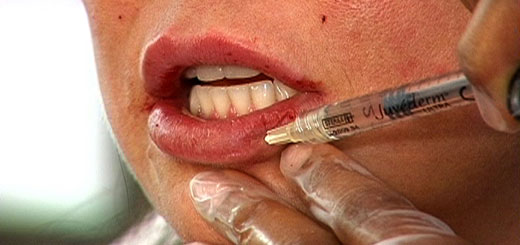
To learn more about Dermal Fillers and Botox Injections, please visit Aesthetic VideoSource. They have a wide variety of Educational videos for estheticians, doctors and massage therapists. Learn step-by-step how to inject Restylane, Juvederm injections and Radiesse injections.

Exfoliation: Right or Wrong

September 30th, 2009

The entire professional skin care industry has grown dramatically around anti-aging skin care products and treatments. I also think people would agree that skin has continued to age, despite well-intentioned efforts. Are we using the right ingredients? Are the ingredients getting to the right places in order to actually have an anti-aging effect?

The aging process
First, take a look at the aging process of the skin. Even though the dermis thins as people get older, the epidermis doesn’t, regardless of age or sun exposure. The body is designed to continuously replace Skin Care Treatmentsepidermal layers because a thinned epidermis could let in infection or result in fluid loss, both of which are life-threatening. The only aspect of the epidermis that is significantly affected by age is its rate of turnover.
The reason for the slowdown is the same reason that the dermis thins—the skin is starving for nutrients and the demand for enzymes, lipids, proteins and antioxidants needed to maintain the skin is higher than the blood supply can provide daily. Remember that the dermis is the sole provider of nutrients for itself and the epidermis and, as people age, the blood supply continues to decrease. With less blood, the amount of these essential nutrients also declines. The barrage of free radicals from diet, stress, sun and environmental toxin exposure overwhelm the skin, depleting the antioxidants and devouring the shrinking supply of nutrients needed to keep the dermis at full thickness and the epidermis at a 30-day cycle. The skin is forced to make a choice between allowing the dermis to thin or allowing the epidermis to thin. The best evidence of this is the aging pattern of dark skin types. You will rarely find a wrinkle on 70-year old African-American nonsmokers because their melanin keeps inflammation at a tolerable level that allows the dermis to maintain itself.

Exfoliation
Restoring the epidermal barrier is the No. 1 priority of the skin because humans cannot survive with a thinned epidermis. Forced exfoliation with alpha hydroxy acids (AHAs) and other ingredients result in an

Medical Grade Chemical Peels

Medical Grade

emergency message from the epidermis to the dermis requesting immediate assistance. The only way to get replacement cells to the surface quickly is to increase turnover temporarily. This does not mean the epidermis or dermis are healthier; it just means that emergency measures were put in place to fix the epidermal deficit. Epidermal exfoliation also increases sun sensitivity, allows for a higher absorption of environmental toxins and dehydrates the skin.
The dermis has a different set of priorities. It also tries to maintain its thickness, but fails under the weight of the huge demands for nutrients and the inability of the dermal blood supply to keep pace. When fewer demands of inflammation are placed on the skin, the dermis handles the load much better, and its thinning is substantially reduced. When inflammatory demands are abnormally high, as in the case of rosacea, the dermis thins even more rapidly, resulting in the increasing number of visible capillaries for rosacea sufferers throughout time. When the dermis thins, the worst case scenario includes sagging skin, broken capillaries and wrinkles. These events are not life-threatening, so the process is allowed to continue. It is reasonable to believe that the starving dermis becomes even more starved every time the epidermis has a new repair demand that takes its needed resources—which begs the question: Is exfoliation helpful?
Exfoliation has been a primary solution for anti-aging for many years. There is no question that compromising the integrity of the epidermal barrier increases the rate of turnover. After all, the skin is rushing to replace its thickness, and it can only do so by starting at the base and working its way up. Does that mean exfoliation is anti-aging?
Unfortunately it is not. Restoring the thickness and integrity of the barrier and improving the turnover rate have no impact on the dermis, where aging actually occurs. Additionally, the daily demand for new layers of the epidermis puts even more of a strain on the limited nutrient supply, which means something has to give.
Forcing the repair of those epidermal layers at twice the rate the skin has intentionally chosen will utilize scarce nutrients twice as quickly. The loser in all of this is the dermis, because it can—and will—thin faster the more it is starved. Also, remember that exfoliating the epidermis increases photodamage, which will further increase aging.

Peels and penetration
Dermal thinning is a difficult problem because of several factors: 1. The average skin care product has a very small dermal penetration rate, which means most of the anti-aging ingredients never impact the appropriate target; and 2. Aggressive treatments, such as trichloroacetic acid (TCA) peels and many lasers that get to the dermis are typically traumatic enough to age the skin before any positive result. For example, according to my personal research, one study showed TCA thinned the dermis by 30% in one application—that is 30 years of aging in five minutes. The body usually recovers most of that loss as it heals, but how often does full recovery occur, and should these peels really be called anti-aging, based on this evidence?
If you have ever used a chemical peel on a client who developed telangectasias post-peel, that is a definite sign that their dermis is thinner than when they started. The 2% penetration issue is quite problematic because few ingredients that actually create new layers of collagen rarely get used when they are stuck in the epidermis. Remember that acids typically create new collagen because the new collagen is allocated primarily to the burned areas. There is little evidence to suggest that new collagen formation reverses aging in any way due to glycolic and TCA peels. That means skin care professionals may be aging the skin of clients temporarily, resulting in no net gain.

A new idea
So why do people keep coming back for more? It is a valid question. Does the skin look better with some of these exfoliants? Often times, yes, but that needs further explanation. AHAs, retinols and vitamin C are classic examples of ingredients that exfoliate and plump. Exfoliation is often discussed, but plumping isn’t. Plumping occurs when 98% of these ingredients sit in the epidermis and cause irritation, resulting in edema, or swelling. Edema makes lines look better. The problem is, the lines are not actually better, and the inflammation starves the skin even more. If you don’t use acids or retinols for one to two weeks, you probably will see the skin deflate to its actual state. You will notice more lines, more laxity and a dullness that is reflective of a skin that has been in survival mode for too long. As soon as you start back on these products, everything looks better almost immediately, which should be your first clue that the plumping isn’t new collagen formation. Because these products are epidermal and aging is dermal, it only makes sense that they have not been preventing the skin from aging.
I know that many are upset at the suggestion that what has been done for so many years is potentially damaging. However, as with any aspect of medicine, things change and it is important for skin care professionals to be open to new ideas.

Lasting effects
The aging process occurs primarily in the dermis. Almost everyone acknowledges that the vast majority of anti-aging treatments have little to no impact on the dermis, so to get visible results, new ways have been created to plump the epidermis. The problem with this strategy is that the plumping usually makes the skin work harder and starve more. Advances in dermal delivery ingredients, such as phosphatidylcholine, make reaching the dermis possible and have the added benefit of restoring the barrier instead of stripping it. In addition, there are a handful of research-proven fibroblast stimulators that do not work through trauma: niacinamide; GHK copper peptides; 1,3 beta glucan; avocatin; chlorella;, retinaldehyde; retinoic acid; R-lipoic acid; and L-ascorbic acid. My goal is to change the focus of skin care from the temporary effects of epidermal plumping to the more lasting effects of dermal remodeling.

This article was originally publishied in the August 2008 issue of Skin Inc. Magazine and is being reprinted with permission. All rights reserved.

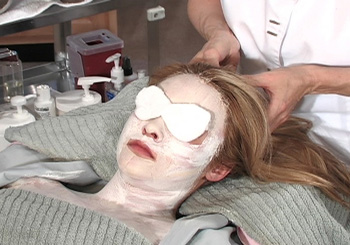
To learn more about chemical peels and other skin care options, please visit Aesthetic VideoSource. They have educational videos on everything from Vitamin C facials to Medical Grade Chemical Peels. You can watch free video excerpts on their website.